


 Login
Login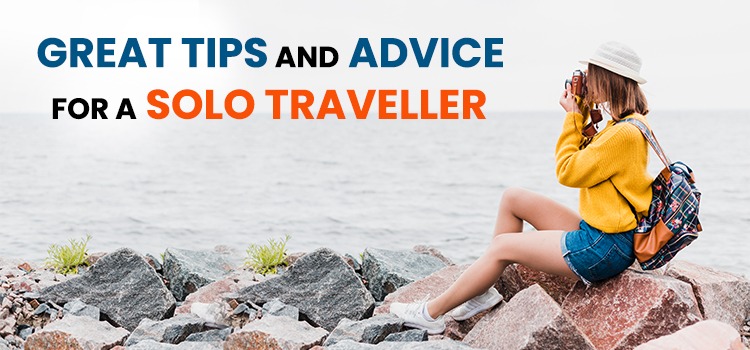
Embarking on a solo journey is one of the most liberating, transformative experiences you can have. To make sure your adventure is seamless, inspiring, and completely safe, here is an extensive, master-level blueprint.
🗺️ Part 1: Smart Pre-Trip Planning & Logistics
Research and Framework
-
Choose a solo-friendly starting point: For your first time, pick locations with well-established backpacker trails, reliable infrastructure, and high English proficiency.
-
Map out your arrival logistics carefully: Make sure you know exactly how you will get from the airport or train station to your bed before you land.
-
Arrive strictly during daylight hours: Checking into a new, unfamiliar neighborhood in the dark increases stress levels exponentially.
-
Download comprehensive offline maps: Google Maps and Maps.me will serve as your digital compass even when cell towers drop completely.
-
Keep digital and physical copies of crucial data: Store photos of your passport, visas, and insurance policies securely in cloud storage.
-
Memorize your accommodation details: Always have the exact physical address and phone number of your lodging written down.
-
Understand local taxi and transit scams: Run quick internet searches on common regional transportation tricks before touching down.
-
Register with your embassy or government: Use programs like STEP (for US citizens) so your government knows where you are in emergencies.
-
Keep an active digital itinerary: Share a dynamic document with your family or friends back home and update it if plans pivot.
-
Secure comprehensive travel insurance: Never skip medical, evacuation, and theft insurance; it is non-negotiable for a solo traveler.
🎒 Part 2: Packing Light and Staying Secure
Gear and Luggage Strategy
-
Adopt the carry-on only lifestyle: Traveling light frees you from checked bag fees, lost luggage nightmare scenarios, and exhausting heavy lifting.
-
Invest in a high-quality, theft-resistant backpack: Look for hidden zippers, slash-proof materials, and locking mechanisms.
-
Utilize compressible packing cubes: These organize your belongings perfectly and maximize your limited bag real estate.
-
Pack versatile, fast-drying clothes: Bring lightweight layers that can be easily washed in a hostel bathroom sink overnight.
-
Prioritize comfortable walking shoes: Solo travel involves miles of exploring; never break in brand-new shoes on a trip.
-
Carry a high-capacity power bank: A dead smartphone equals a lost navigator; always keep a backup battery pack handy.
-
Incorporate a functional universal adapter: Buy a sturdy multi-port adapter that works in multiple socket frameworks.
-
Bring a flexible, heavy-duty cable lock: This allows you to securely anchor your luggage to train racks or hostel beds.
-
Pack a basic, compact first-aid kit: Include essential painkillers, anti-diarrheal meds, band-aids, and rehydration salts.
-
Always tuck away an emergency stash of cash: Hide small denominations of local currency and US dollars in separate spots in your gear.
💳 Part 3: Financial Savvy on the Road
Money Management
-
Notify your banks before departure: Flag your travel dates so your credit and debit cards don't get frozen for suspicious activity.
-
Carry multiple financial avenues: Travel with at least two different debit cards and one reliable credit card.
-
Keep your cards separated physically: Never carry all your payment cards in one wallet; leave backups hidden at your hotel.
-
Rely heavily on bank ATMs: Avoid sketchy airport exchange booths; use official bank ATMs located inside secure bank lobbies.
-
Opt for local currency at point of sale: When a card reader asks if you want to be billed in your home currency, choose the local rate to avoid terrible conversion fees.
-
Keep an explicit daily budget tracker: Use apps like Splitwise or Tricount to monitor your daily expenses diligently.
-
Separate your daily pocket money: Don't pull out a fat wad of cash to pay for a cheap street snack; keep small change accessible.
-
Master local tipping customs: Research whether gratuities are expected, included in the bill, or completely unnecessary.
-
Bargain respectfully but firmly: In local markets, negotiate with a smile, but accept when a vendor's final price is fair.
-
Watch out for common financial distractions: Be highly alert near ticket counters, ATMs, and busy transport terminals where pickpockets thrive.
🛡️ Part 4: Personal Safety and Situational Awareness
Street Smarts and Intuition
-
Project absolute confidence at all times: Walk purposefully like you know exactly where you're going, even if you are totally turned around.
-
Never look dazed or lost in public: If you need to re-orient via your map, step inside a café, shop, or bank lobby to check your phone.
-
Trust your gut feelings implicitly: If a street, person, or situation feels off, leave immediately without worrying about being polite.
-
Blend in with local clothing choices: Avoid wearing flashy jewelry, expensive watches, or clothes that scream "wealthy tourist."
-
Establish a daily check-in routine: Pick a trusted person back home and send a quick message at the start and end of every day.
-
Keep emergency numbers saved on speed dial: Know the local equivalents of 911/999 by heart before you arrive.
-
Stay sober and fully alert: Enjoying nightlife is fine, but overconsumption makes you an easy target when navigating alone.
-
Never reveal your exact lodging location: If strangers ask where you are staying, name a generic neighborhood or a massive hotel chain nearby.
-
Lie gently when necessary for safety: If a suspicious person asks if you are traveling alone, tell them your spouse or friends are meeting you shortly.
-
Secure your accommodation doors thoroughly: Always use deadbolts, chain locks, or carry a portable rubber door wedge for added peace of mind.
🤝 Part 5: Overcoming Loneliness and Making Connections
Social Dynamics
-
Book highly-rated social hostels: Choose hostels that feature common rooms, organized walking tours, or communal dinners.
-
Join free local walking tours: This is the easiest way to orient yourself in a new city while instantly meeting fellow travelers.
-
Sit directly at the bar counter: When dining alone, bar seating fosters spontaneous conversations with bartenders and locals.
-
Leverage curated travel apps: Use platform resources like Couchsurfing Hangouts, Meetup, or Facebook groups for local ex-pats.
-
Sign up for structured classes: Take a local cooking class, language workshop, or surf lesson to bond over shared activities.
-
Learn basic phrases in the local tongue: Master "Hello," "Please," "Thank you," and "Help" to break the ice instantly.
-
Be approachable with your body language: Keep your headphones out and your eyes off your screen when sitting in public spaces.
-
Embrace the beauty of doing nothing: Don't overschedule; spending an afternoon reading in a local park is a rich travel experience.
-
Accept that loneliness is totally normal: Waves of isolation hit every solo traveler; acknowledge it, rest, and know it will pass.
-
Cherish your own company: Solo travel teaches you self-reliance; learn to enjoy your own thoughts and observations.
🍽️ Part 6: Dining and Nightlife Solos
Culinary Adventures
-
Do not fear dining solo: Staff and locals do not judge you; they usually respect your independence.
-
Immerse yourself in street food culture: Street stalls offer affordable, authentic meals where you can watch your food being cooked fresh.
-
Look for crowded local spots: If a restaurant is packed with multi-generational families, the food is safe, authentic, and high quality.
-
Take a guided evening food tour: This guarantees a safe night out, delicious food, and instant social connections.
-
Use lunch for big splurges: High-end restaurants often offer lunch sets that are a fraction of their expensive dinner prices.
-
Keep tabs on your drinks constantly: Never leave a beverage unattended at a bar or club, and accept drinks only from bartenders.
-
Plan your transit home before going out: Ensure you know how you will get back safely late at night before the alcohol starts flowing.
-
Bring a physical book or journal: If you feel self-conscious sitting at a table alone, a book gives you a purposeful, comfortable focus.
-
Eat on the local schedule: To get the best culinary experiences, dine when the locals do (e.g., late dinners in Spain, early in Germany).
-
Stay properly hydrated throughout the day: Walking all day dehydrates you quickly; always carry a reusable water bottle.
Website - https://hourlyrooms.co.in/
App Link - https://play.google.com/store/apps/details?id=com.hourlyrooms&hl=en_IN
IOS Link - https://apps.apple.com/in/app/hourly-rooms-hourly-hotel-app/id1629582278
Helpline No - +91 7506153153
