


 Login
Login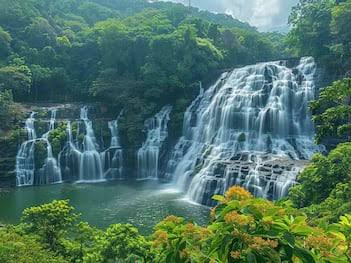
Wayanad, Kerala
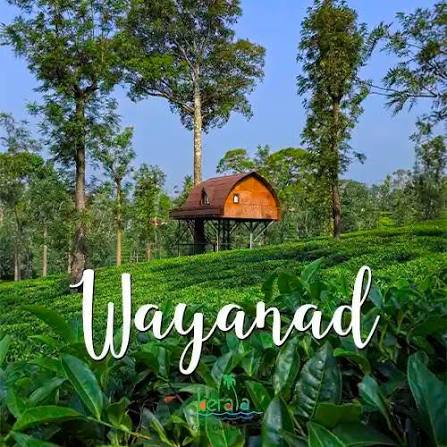
Wayanad, Kerala is a beautiful hill district in northern Kerala, famous for its lush forests, waterfalls, wildlife, tea and coffee plantations, and cool climate—especially during the monsoon season.
Why Visit Wayanad?
-
Scenic hill landscapes
Rolling hills covered in mist, tea gardens, and forests make Wayanad one of Kerala's most picturesque regions.
-
Waterfalls and viewpoints
Popular attractions include Soochipara Falls, Meenmutty Falls, and Lakkidi View Point.
-
Wildlife and nature
Home to rich biodiversity and part of the Nilgiri Biosphere Reserve.
-
Adventure activities
Trekking, camping, wildlife safaris, and cave exploration are common activities.
-
Cultural and historical sites
Ancient caves, tribal heritage, and spice plantations add depth beyond the natural scenery.
Best Time to Visit
|
Season |
Experience |
|
June to September |
Monsoon, waterfalls at their best, lush greenery everywhere |
|
October to February |
Pleasant weather, ideal for sightseeing and trekking |
|
March to May |
Warmer, but still cooler than many lowland destinations |
Top Attractions
-
Soochipara Falls
A multi-tiered waterfall surrounded by dense forest.
-
Meenmutty Falls
One of Kerala's largest waterfalls.
-
Edakkal Caves
Ancient rock carvings and cave formations.
-
Banasura Sagar Dam
Scenic reservoir and boating destination.
-
Wayanad Wildlife Sanctuary
Elephants, deer, birds, and other wildlife.
-
Lakkidi View Point
Panoramic views of the Western Ghats.
Wayanad, Kerala: A Monsoon Paradise of Waterfalls, Forests & Hill Views
Top Attractions
Soochipara Falls
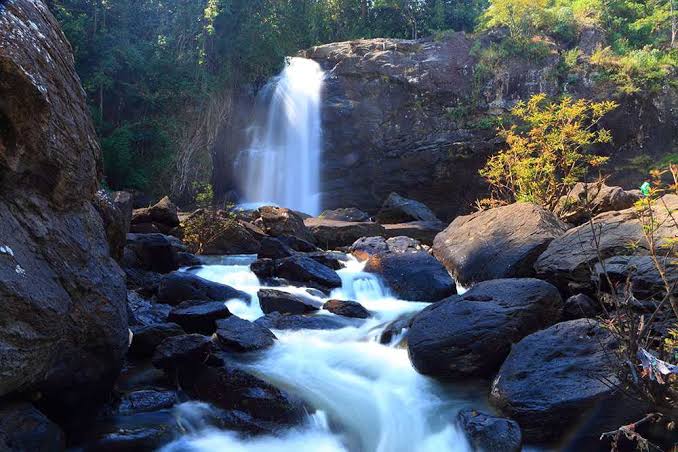
Also known as Sentinel Rock Waterfalls, Soochipara Falls is one of the most spectacular natural attractions in Wayanad. Surrounded by dense forests and rolling hills, this three-tiered waterfall plunges from a height of around 200 meters, creating a breathtaking sight, especially during the monsoon season.
The trek to the waterfall takes visitors through lush greenery, offering beautiful views of Wayanad's rich landscape. During the rainy months, the waterfall is at its most powerful, making it a favorite destination for nature lovers, photographers, and adventure seekers. The misty surroundings and the soothing sound of cascading water create a refreshing escape from city life.
Why Visit Soochipara Falls?
-
Witness one of Wayanad's most beautiful waterfalls
-
Enjoy a scenic trek through forest trails
-
Experience the beauty of Wayanad during monsoon
-
Perfect spot for nature photography
-
Surrounded by lush greenery and stunning landscapes
Best Time to Visit
June to September is the best time to experience Soochipara Falls in its full glory, as the monsoon rains enhance the waterfall's beauty and flow.
Travel Tip: Wear comfortable footwear, as the trail can become slippery during the rainy season. Carry a raincoat and be cautious near the waterfall due to strong currents during peak monsoon months.
Edakkal Caves
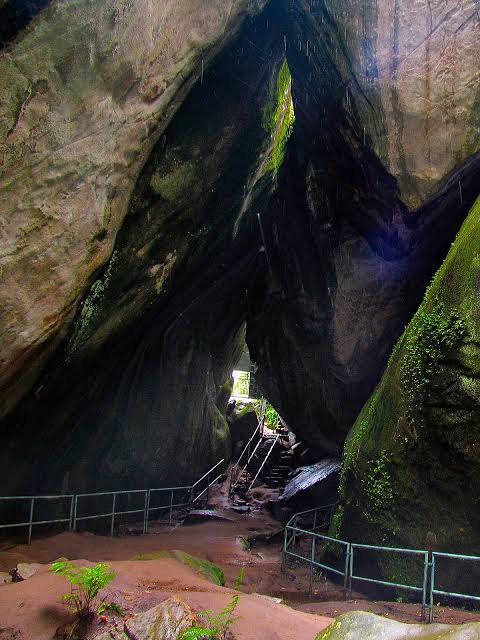
Edakkal Caves are among Wayanad's most fascinating historical attractions, famous for their ancient rock carvings that date back thousands of years. Located atop Ambukuthi Hills, these natural rock shelters provide a glimpse into prehistoric human civilization and are considered one of the most important archaeological sites in South India.
Reaching the caves involves a scenic trek through rocky terrain and lush greenery, rewarding visitors with stunning panoramic views of the surrounding valleys and hills. The unique petroglyphs found inside the caves depict human figures, animals, symbols, and inscriptions, making Edakkal a must-visit destination for history enthusiasts and adventure lovers alike.
Why Visit Edakkal Caves?
-
Discover ancient rock carvings dating back to prehistoric times
-
Explore one of Kerala's most significant archaeological sites
-
Enjoy a scenic trek through the hills of Wayanad
-
Capture breathtaking views of the surrounding landscape
-
Experience a perfect blend of history, culture, and adventure
Best Time to Visit
The best time to visit Edakkal Caves is from October to May. However, the monsoon season offers lush green surroundings and mist-covered hills, making the trek especially scenic.
Travel Tip: Wear comfortable trekking shoes and carry water, as reaching the caves requires a moderate uphill climb. Start your visit early in the day to avoid crowds and enjoy the best views.
Banasura Sagar Dam
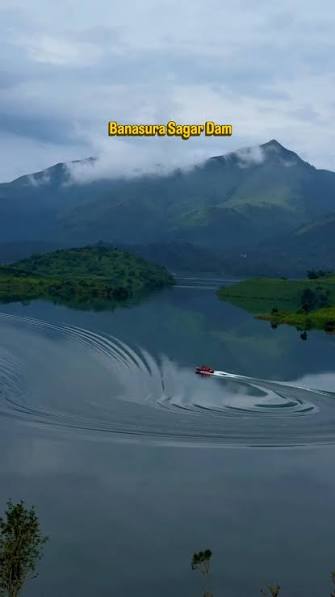
Banasura Sagar Dam is one of Wayanad's most popular attractions and the largest earthen dam in India. Surrounded by the majestic Banasura Hills and lush green landscapes, the dam offers breathtaking views, making it a favorite destination for nature lovers, photographers, and adventure seekers.
During the monsoon season, the reservoir fills up, creating a stunning panorama of mist-covered hills, small islands, and sparkling waters. Visitors can enjoy boating on the reservoir, take leisurely walks along the dam, and soak in the tranquil beauty of the surrounding Western Ghats.
Why Visit Banasura Sagar Dam?
-
Explore India's largest earthen dam
-
Enjoy spectacular views of the Banasura Hills
-
Experience scenic boating on the reservoir
-
Capture stunning photographs of the landscape
-
Relax amidst nature and peaceful surroundings
Best Time to Visit
The monsoon season from June to September is ideal for witnessing the dam at its most picturesque, with overflowing waters and lush greenery all around. The post-monsoon months also offer pleasant weather and clear views of the hills.
Travel Tip: Visit during the early morning or late afternoon for the best views and photography opportunities. Don't forget to carry a camera to capture the breathtaking scenery surrounding the dam.
Goa
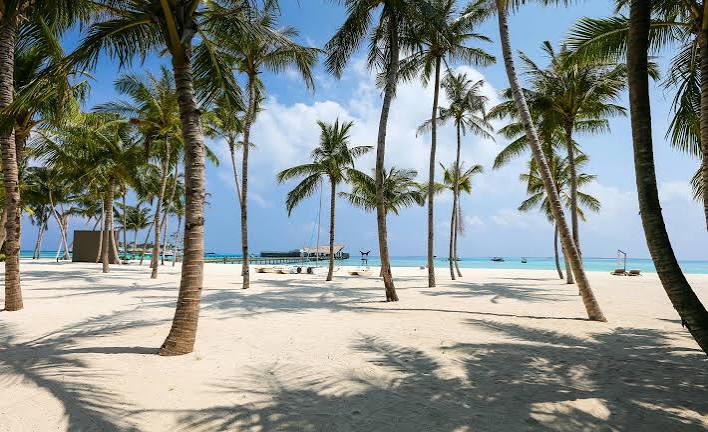
While Goa is famous for its vibrant beaches and nightlife, the monsoon season unveils a completely different charm. As the rains arrive, the landscape transforms into a lush green paradise with misty hills, overflowing waterfalls, and peaceful beaches. Travelers can enjoy Goa's beauty without the usual crowds, making it an ideal destination for a relaxing getaway.
One of the biggest advantages of visiting Goa during the monsoon is the availability of lower hotel rates and fewer tourists. The refreshing weather, scenic countryside, and tranquil atmosphere offer a unique travel experience that differs from the peak tourist season.
Why Visit Goa During Monsoon?
-
Enjoy quieter beaches and peaceful surroundings
-
Benefit from lower hotel and travel costs
-
Witness Goa's lush green landscapes and scenic beauty
-
Explore waterfalls, spice plantations, and nature trails
-
Experience authentic Goan culture away from the crowds
Best Time to Visit
The monsoon season from June to September is perfect for travelers looking to experience Goa's natural beauty, cooler temperatures, and relaxed atmosphere.
Highlights of Goa During Monsoon
-
Dudhsagar Waterfalls in full flow
-
Verdant countryside and paddy fields
-
Scenic drives through rain-washed landscapes
-
Riverside cafés and cozy stays
-
Monsoon festivals and local cultural experiences
Must-Visit Places
Dudhsagar Falls
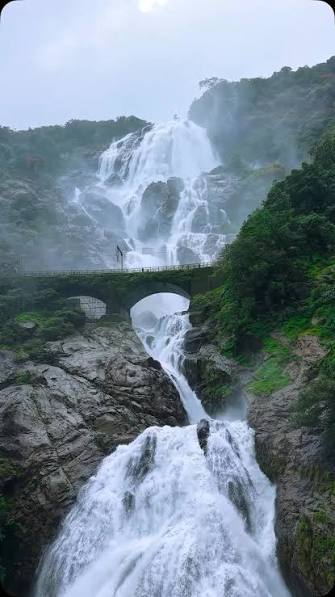
Dudhsagar Falls is one of India's tallest and most spectacular waterfalls, located on the border of Goa and Karnataka within the lush Western Ghats. Translating to "Sea of Milk," the waterfall gets its name from the milky white water that cascades down four tiers from a height of over 300 meters, creating a breathtaking sight.
During the monsoon season, Dudhsagar Falls comes alive with powerful water flow and vibrant greenery, making it one of the most visited attractions in Goa. Surrounded by dense forests and rich biodiversity, the waterfall offers a stunning escape into nature and is a paradise for photographers and adventure enthusiasts.
Why Visit Dudhsagar Falls?
-
Witness one of India's tallest waterfalls
-
Experience the waterfall at its most powerful during monsoon
-
Enjoy breathtaking views of the Western Ghats
-
Explore lush forests and scenic landscapes
-
Perfect destination for nature lovers and photographers
Best Time to Visit
June to September is the ideal time to witness Dudhsagar Falls in its full glory, as the monsoon rains create a magnificent cascade surrounded by lush greenery.
Travel Tip: Check local travel advisories before visiting during peak monsoon, as access routes may be affected by heavy rainfall. Carry rain gear and wear comfortable footwear for a safe and enjoyable trip.
Spice Plantations
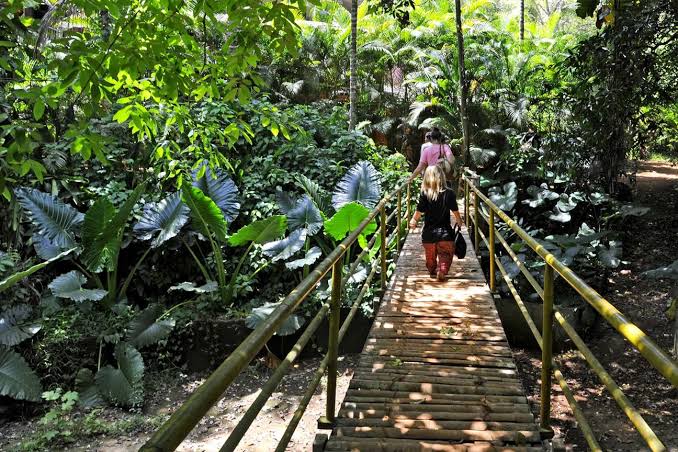
Goa's spice plantations offer a refreshing escape into nature, showcasing the region's rich agricultural heritage and tropical beauty. Spread across lush green landscapes, these plantations grow a variety of aromatic spices such as black pepper, cardamom, nutmeg, cinnamon, cloves, and vanilla. A visit to a spice plantation provides a unique opportunity to learn about traditional farming methods while enjoying Goa's serene countryside.
During the monsoon season, the plantations become even more vibrant, with rain-washed greenery and cool weather creating the perfect setting for a peaceful nature experience. Many plantations also offer guided tours, traditional Goan meals, and insights into the medicinal and culinary uses of various spices.
Why Visit Goa's Spice Plantations?
-
Discover how Goa's famous spices are cultivated and processed
-
Walk through lush tropical gardens and plantations
-
Learn about traditional farming and local culture
-
Enjoy authentic Goan cuisine in a natural setting
-
Experience the beauty of Goa beyond its beaches
Best Time to Visit
While spice plantations are open throughout the year, the monsoon season from June to September offers the most scenic experience, with flourishing greenery and refreshing weather.
Travel Tip: Opt for a guided plantation tour to gain deeper insights into the history, cultivation techniques, and uses of the various spices grown in Goa's fertile landscape.
Old Goa Churches
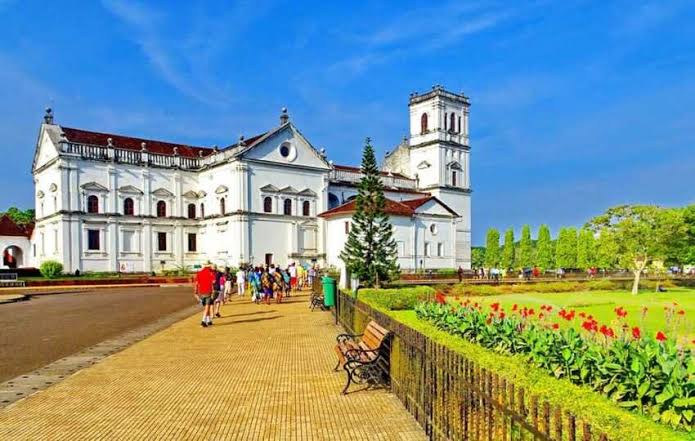
Old Goa is home to some of India's most iconic churches and historic landmarks, reflecting the region's rich Portuguese heritage. Recognized as a UNESCO World Heritage Site, this historic area features magnificent colonial-era architecture, intricate interiors, and centuries-old religious monuments that attract visitors from around the world.
During the monsoon season, the rain-washed surroundings and lush greenery add a unique charm to these architectural masterpieces. Exploring the churches of Old Goa offers a fascinating journey through history, culture, and spirituality.
Why Visit Old Goa Churches?
-
Discover Goa's rich colonial and religious heritage
-
Admire stunning Portuguese architecture
-
Explore centuries-old churches and historic monuments
-
Learn about Goa's cultural and historical significance
-
Enjoy peaceful surroundings during the monsoon season
Must-Visit Churches in Old Goa
Basilica of Bom Jesus
One of Goa's most famous landmarks, this UNESCO-listed church houses the mortal remains of St. Francis Xavier and is renowned for its Baroque architecture.Sé Cathedral
One of the largest churches in Asia, Sé Cathedral is known for its grand design, beautiful interiors, and historical importance.Church of St. Francis of Assisi
Famous for its elegant Portuguese architecture, intricate carvings, and historical museum showcasing Goa's past.Church of Our Lady of the Immaculate Conception
A picturesque church known for its striking white façade and beautiful staircase.Best Time to Visit
Old Goa Churches can be visited year-round, but the monsoon months from June to September offer pleasant weather and lush surroundings, making sightseeing even more enjoyable.
Travel Tip: Dress modestly when visiting churches and carry an umbrella during the monsoon season. Early morning visits are ideal for a peaceful experience and great photography opportunities.
-
